
.webp)


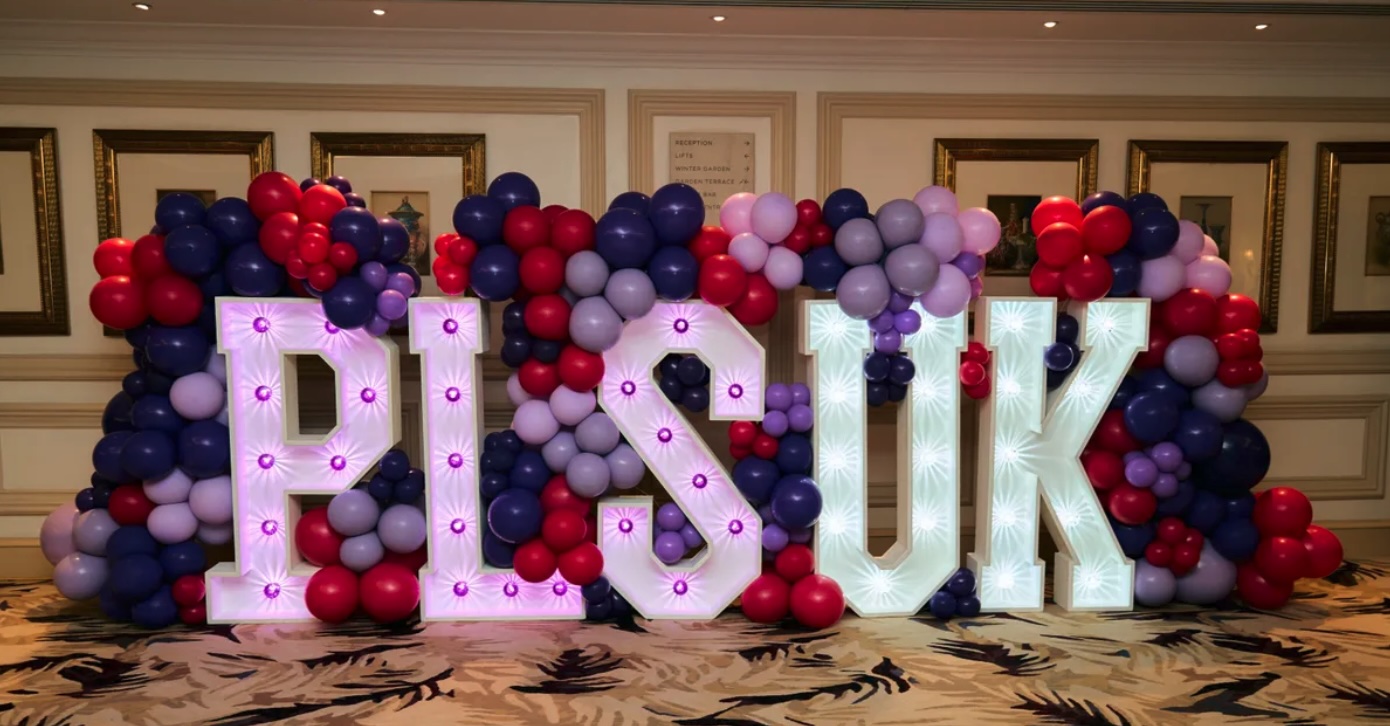
There were a variety of different themes across the different keynote presentations and panel discussions at the Payment Leaders’ Summit (PLS) in London at the end of April 2026. The PLS is aways a great event to capture the current mood of the retail industry from a payment acceptance perspective and from what the payment service providers are offering.
In alphabetical order – Agentic Commerce, Bank-on-file, Chargebacks, Commercial VRPs, Fraud, Recurring payments, Stablecoins, Subscriptions, Open Banking, Orchestration – were some of the themes and topics discussed. The event brought together key stakeholders from across the ecosystem, including demand-side participants such as retail, hospitality, online travel agencies, e-commerce retailers, gaming operators, and pharmaceutical providers, alongside vendors and payment service providers. Also in an alphabetical order, and not the order these themes were discussed, the highlights of the event included the following:
Agentic Commerce
Unlike traditional e-commerce, which requires manual browsing and multi-step checkouts, Agentic Commerce shifts these tasks to AI that can reason through complex goals, such as "Find and buy a waterproof snowboard pants under £150 to be delivered by next Friday" and complete them with minimal human input. The Agentic Commerce panel had the challenge in summarising what will be a huge shift in the e-commerce industry and capture the fast-moving nature of agentic commerce in just 30 minutes. It was essentially a "marathon" discussion about the future of internet shopping. The panel brought together perspectives from across the ecosystem, including a fintech provider: PayPal, a retail merchant and solution provider: THG Ingenuity, a technology provider: Google and a pharmaceuticals company: GSK.
Interestingly, not all the panellists agreed on what Agentic Commerce means or what it could mean in the future. Some of the trust and liability concerns around Agentic were also touched on during the discussion. While many questions remain unresolved, the conversation made one thing clear: Agentic Commerce is already emerging, and players need to be prepared.
Bank-on-file
"Bank-on-file" is an emerging Open Banking feature, sometimes called "Account-on -file" or “Pay-by-bank” that allows customers to securely save bank account details for one-click, recurring payments or repeat purchases, without using the card rails. It acts as a direct, lower-cost alternative to "card on file" offering higher security and faster settlement for subscriptions, utilities, and e-commerce merchants. The OTA, On-The-Beach, described how they keep bank accounts on file to bypass some of the expensive card network fees, improve cash flow, and increase security through Open Banking technology.
By initiating direct bank-to-bank transfers rather than credit card payments, these types of merchants can reduce payment processing fees which is a crucial factor for operating on slim margins and offer a good customer experience when purchasing a package holiday, payments can be spread over a several instalment payments. More segments across the retail sector are expected to utilise account-to-account Open Banking technology.
Commercial VRPs
Commercial Variable Recurring Payments (cVRP) are a secure, open-banking-powered payment method available in the UK that allows businesses to collect variable, recurring payments without needing to re-authenticate every transaction. Again, this is an account-to-account Open Banking technology, that runs on the real-time-payments bank rails and not on the card rails. As of early 2026, commercial Variable Recurring Payments (cVRP) are officially live in the UK, having transitioned from testing into the first phase, wave 1 of public use. This builds upon the 30+ major service providers that sponsored and formed the UK Payments Initiative (UKPI) Limited that oversees operating the commercial VRPs scheme for the UK. While "sweeping" VRP (moving money between bank accounts of the same accountholder) has been live since 2022, the expansion into commercial VRPs has high expectations. Virgin Media/O2 was on stage with the new MD of the UKPI and spoke about the relatively "low-risk" sectors, including utility bills, financial services (e.g., loan repayments) and government payments.
Some challenges remain with cVRPs and these were explored during the debate. Key e-commerce stakeholders from within the enterprise retailers have high expectations for the next major expansion of the scheme later this year, which will see cVRPs available to the general e-commerce sector, allowing it to compete directly with "card-on-file" payments for everyday online shopping.
Compliance / ISO 20022
ISO 20022, introduced in 2004, provides a common language for financial data exchange and underpins the modernisation of global payments. A fireside chat with TIS highlighted both its technical complexity and its broader significance.
A key theme was the need to view ISO 20022 not just as a compliance exercise, but as an opportunity for corporates. The November 2026 deadline will be critical, particularly with the removal of unstructured address fields, meaning incomplete data may lead to payment rejections or additional costs. At the same time, ISO 20022 enables richer, structured data for better reconciliation, fraud detection, and cash visibility. However, realising these benefits depends on strong data governance, a clear internal data model, and alignment with bank-specific requirements as adoption continues at different speeds.
Orchestration
I particularly liked the title of this panel: “Fragmentation to flow – harmonising payments with orchestration”, and the discussion lived up to it, proving to be both engaging and insightful. There are probably as many Payment Orchestration Providers around the world as there are the number weeks in the year, and on stage at the PLS was payUnite from Fexco. Fexco a global financial services and fintech company based in Ireland, best known for its Dynamic Current Currency (DCC) solution. PayUnite is a specialised "next-generation" payment orchestration platform launched in April 2025. The panel spoke about the importance of an "acquirer agnostic" solution that allows merchants to switch between different banks or payment processors without being locked into one provider.
Summary
In just four or five years, the PLS has established itself as a cornerstone of the payments industry calendar – a rare forum where the industry moves beyond the jargon to engage in candid debates on shifting consumer habits and the disruptive technologies redefining the merchant payment processing experience. PLS is always one of the key events for merchant to be informed about the latest developments in the payment industry where attendees can be educated and exchange views about the evolving payment preferences and merchants’ strategies.
The content of this article does not reflect the official opinion of Edgar, Dunn & Company. The information and views expressed in this publication belong solely to the author(s).
Mark is a Senior Advisor in the London office and heads up the Retailer & Hospitality Payments Practice for EDC. He has over 25 years of experience of consulting strategy in the payments and fintech industries. Mark works with leading global merchants, and payment suppliers to retailers and hospitality merchants, to develop omnichannel acceptance strategies. He uses the 360° Payment Diagnostic methodology developed by EDC to identify cost efficiencies and new growth opportunities for retailers and hospitality merchants by defining an appropriate mix of payment methods, acceptance channels, innovative consumer touchpoints, and optimizing Payment Service Providers and acquiring relationships. Outside the payments and fintech industry Mark is a passionate snowboarder.
%20(1).webp)

%20(1).webp)


